






Welcome to the 2026 Sonoran Writers Conference Panels Schedule. Below is a complete list of all the panels being offered this year. A long list, but you can also break it down into smaller lists.
Lists by Room
SWC this year utilizes FIVE rooms of programming, all producing great opportunities to improve your writing. Visit the Panels listed by room:
ROOM ONE | ROOM TWO | ROOM THREE | ROOM FOUR | ROOM FIVE
Lists by Time
Get the smaller lists of the panels that are staring at a given time. This make planning much easier.
- 9:00AM Start
- 10:00AM Start
- 11:00AM Start
- 12:00PM Start
- 1:00PM Start
- 2:00PM Start
- 3:00PM Start
- 4:00PM Start
Lists by Presenter
Coming Soon
Presentation
Room Three
10:00am- 50 minutes
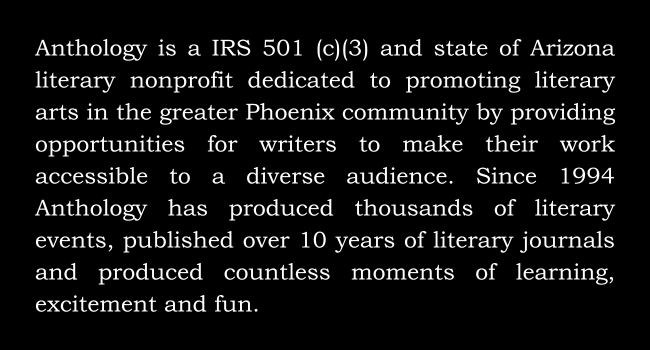
Writing as a Humanitarian Act: Anthology Series is dedicated to transforming personal experience and voice into collective art.
This workshop invites participants to write with empathy, urgency, and awareness using language as a bridge.
Panel will include an outline of this Anthology starting through the first literary center at the Phoenix Center of the Arts, through the founder, author and educator Lourdes Leiner.
Panel will end with community writing activity.
Panel
Room Five
9:00am- 50 minutes
Good writing is not inspired. The best writers work every day. Certainly, some days are better than others. But most successful writers look at their craft as a job, and like every job, it’s important to show up to work. This is true for both fiction and nonfiction.
Tips on how to revise your work.
Panel
Room Four
9:00am- 50 minutes
Discover the history of author Edgar Rice Burroughs and his vast influence on today’s popular culture. How did Burroughs’ 1912 stories influence the exploration of space? What are the Burroughs’ connections to Arizona? Learn how the creator of Tarzan of the Apes and John Carter of Mars became one of the most important authors in history.
Presentation
Room Three
9:00am- 50 minutes
Being an independent author means you wear ALL the hats. Get in this panel and chat with Patti and your peers about strategies that make that work easier, more effective and ultimately, generate more book sales.
Presentation
Room One
4:00pm- 50 minutes
A cliffhanger chapter ending can add impact to a dramatic scene and leave the reader desperate to find out what happens next. Learn how to identify your best cliffhanger moments and make them even more dramatic through pacing and paragraphing. Even when you have to end at a quieter moment, you can drive the story forward by leaving your character—and the reader—with a sense of anticipation or worry.
Panel
Room Two
4:00pm- 50 minutes
Anna Dalhaimer Bartkowski, Margaret C. Morse
Could cozy and humorous elements help engage your readers' personal emotions? Can murder be humorous ... a way to lighten the mood in a mystery?
A review of cliche overuse, cozy tropes, and humor with an analysis of how these can warm up other genres or help you write in the cozy and/or humorous genres. Attendees will have the opportunity to write down cozy and/or humorous elements that could enhance their stories.
Workshop
Room TwoRoom Two
11:00am- 105 minutes
You have an idea and turn it into a short story. Now what? The short story market has always been there, but like everything else in writing, getting into a magazine isn’t easy. Anthologies aren’t a big seller, either. However, anthologies are trending upwards. How can you take advantage of the short story market?
This workshop will discuss research on the markets out there, specifics on submitting, and what to expect.
Panel
Room One
2:00pm- 50 minutes
Roberta Gibson, Patricia Bonn, Susan Magestro
Whether you outline your entire story or novel in advance or start without a plan, plotting takes place at some point in your process. Learn how different authors approach plotting, what tools and techniques do they use, and plotting traps to avoid.
Workshop
Room Two
2:00pm- 105 minutes
Family stories don’t just live in archives — they linger in dreams, memory, and the quiet spaces of the unconscious. In this craft-focused workshop, discover how historical fiction and genealogical mystery can emerge as much from ancestral whispers and emotional truth as from documented research. Learn practical techniques for transforming long-buried family secrets, fragmented memories, and dream imagery into layered plot, compelling characters, and sustained suspense. You’ll leave with tools for weaving archival fact and the mysteries of the unconscious into powerful, haunting narrative.
- How to Write the Paranormal: Choosing a Paranormal Character and World Building: A Vampire Moved in Next Door, Margaret Morse
- Critiquing, Self-editing, and What Professional Editors Look For
- Conflict-ology: The Art of Creating Conflict Within Your Writing
- You Can Make it Up, But it Better be Right: The Value of Research in Fiction Writing
- Venomous vs Poisonous Animals: We Have Both in AZ, But Which is Which?